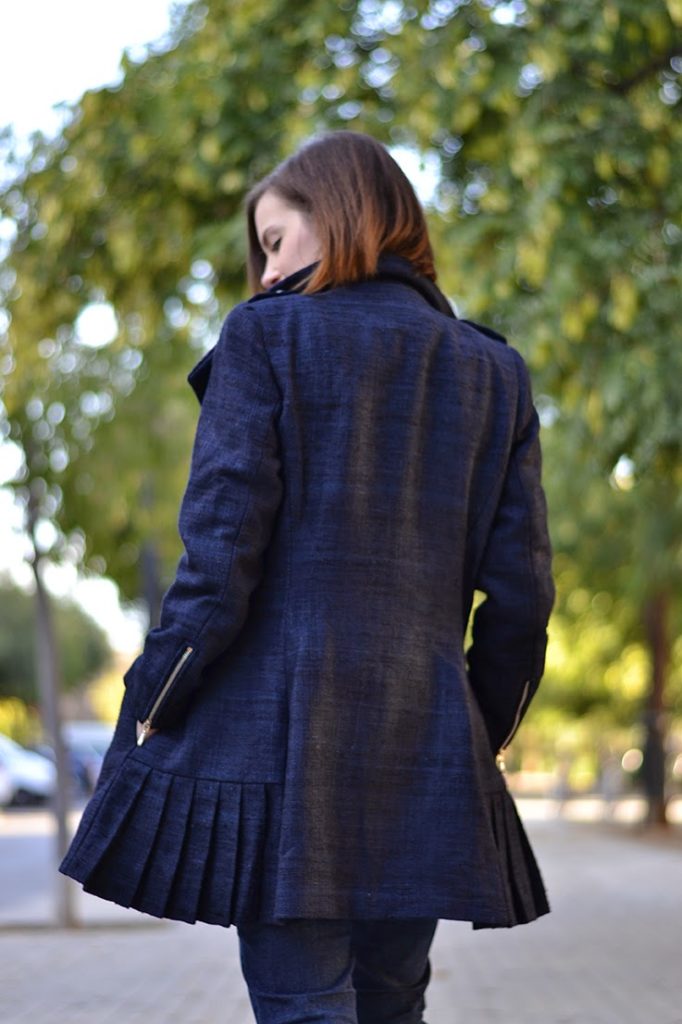
 There’s nothing I like more to sew and wear than coats! And more than once I’ve cursed my sunny (and too warm) city because winter is too mild to wear heavy outerwear.
But it was time for me to take my pencils, my ruler and my fabrics to offer you the pattern of a nice coat full of possibilities: the Quart coat!
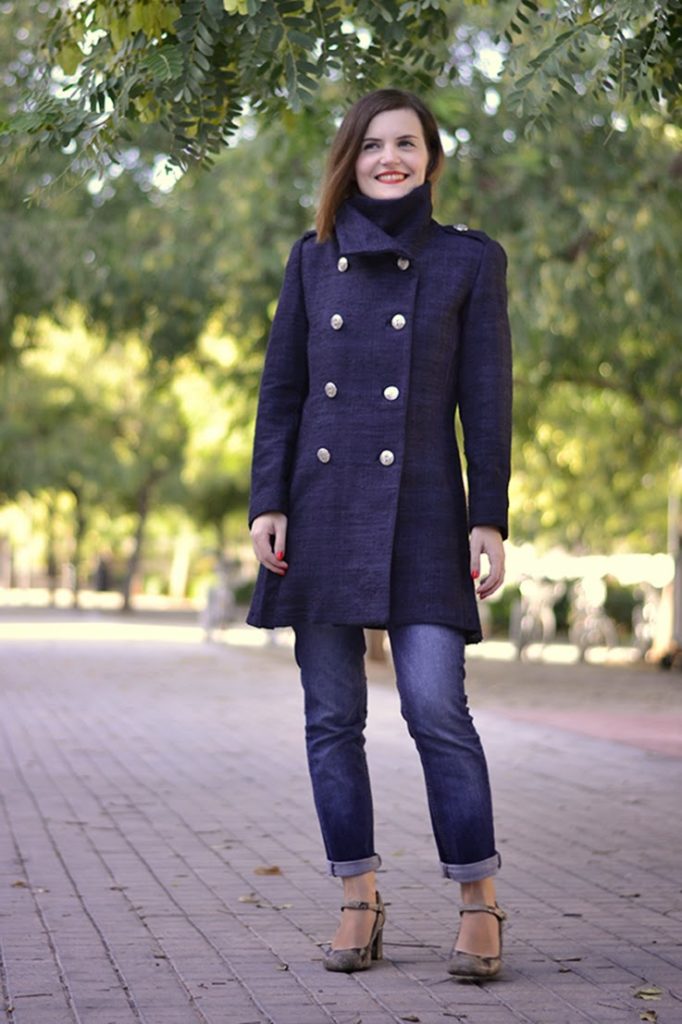
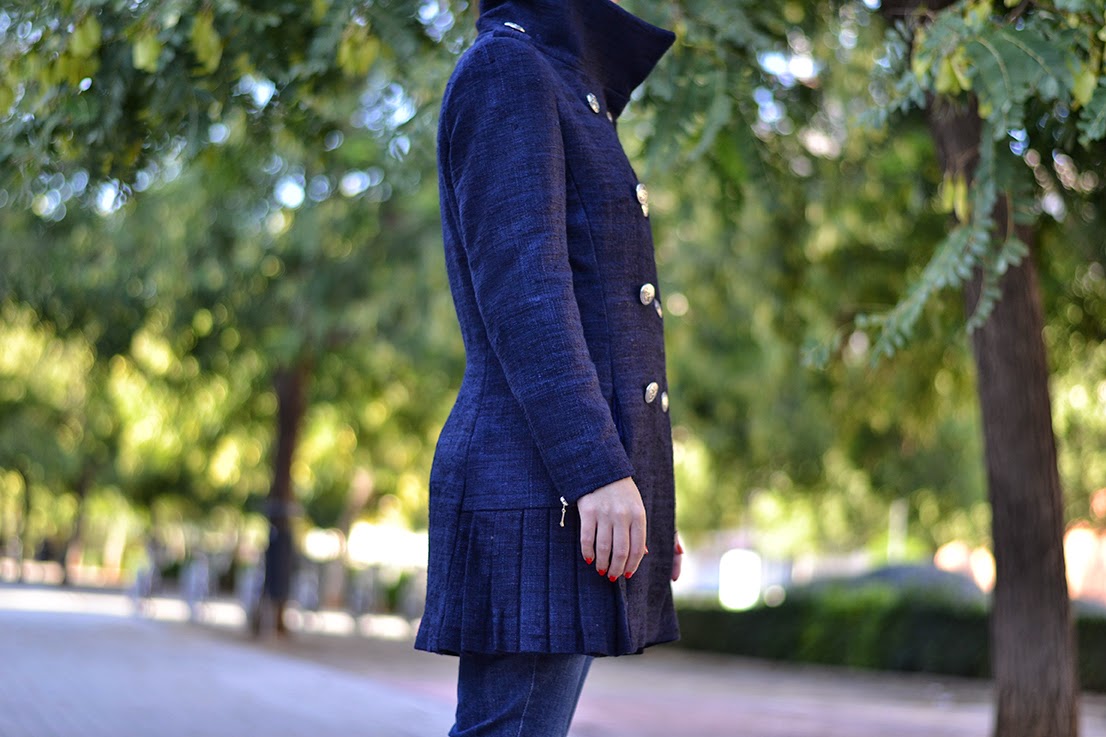
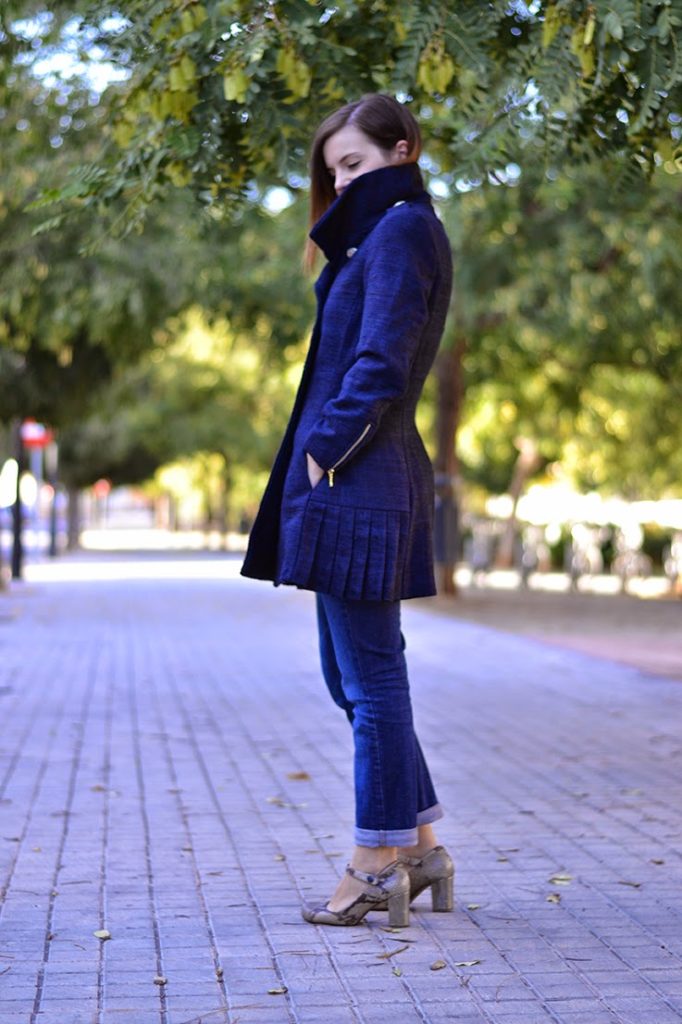 With its high collar, pockets and long zipped sleeves, the Quart coat will protect you from the cold with style. The princess seams will highlight your figure nicely and the pleated side is the perfect girly detail.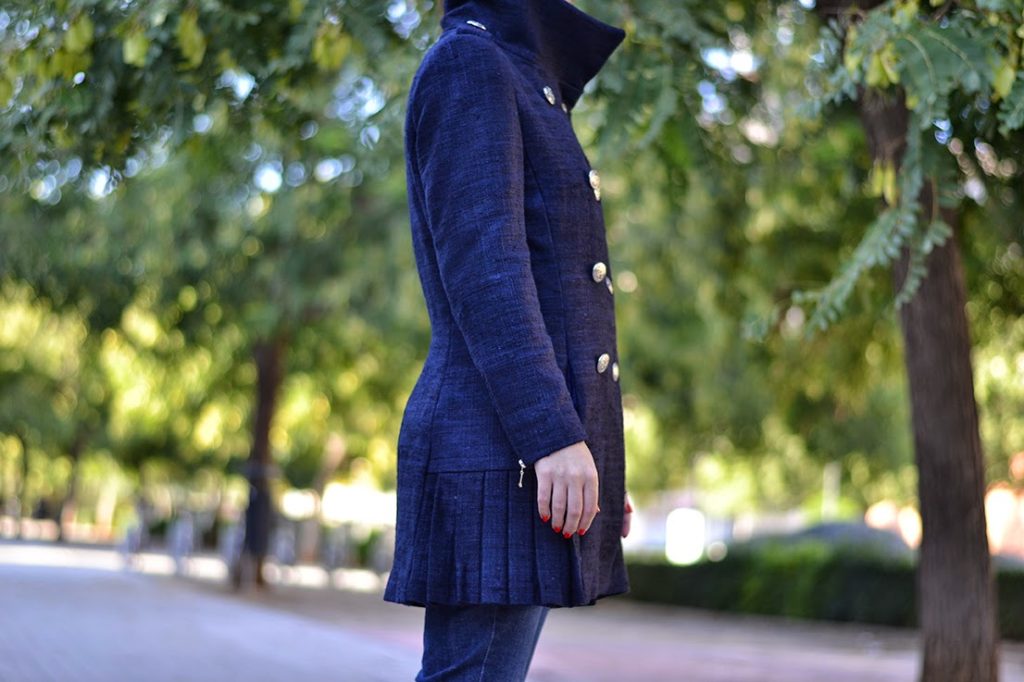
Quart coat pattern made in navy blue raw silk.
I was inspired by Burberry’s military style: elegant and classic outerwear that will match easily with whatever you’re wearing and that you’ll love wearing year after year.
Besides, the Quart coat can be made in wool coating for winter as well as lighter fabrics (gabardine, twill…) for a trenchcoat version perfect for mid-season.
Besides, the Quart coat can be made in wool coating for winter as well as lighter fabrics (gabardine, twill…) for a trenchcoat version perfect for mid-season.
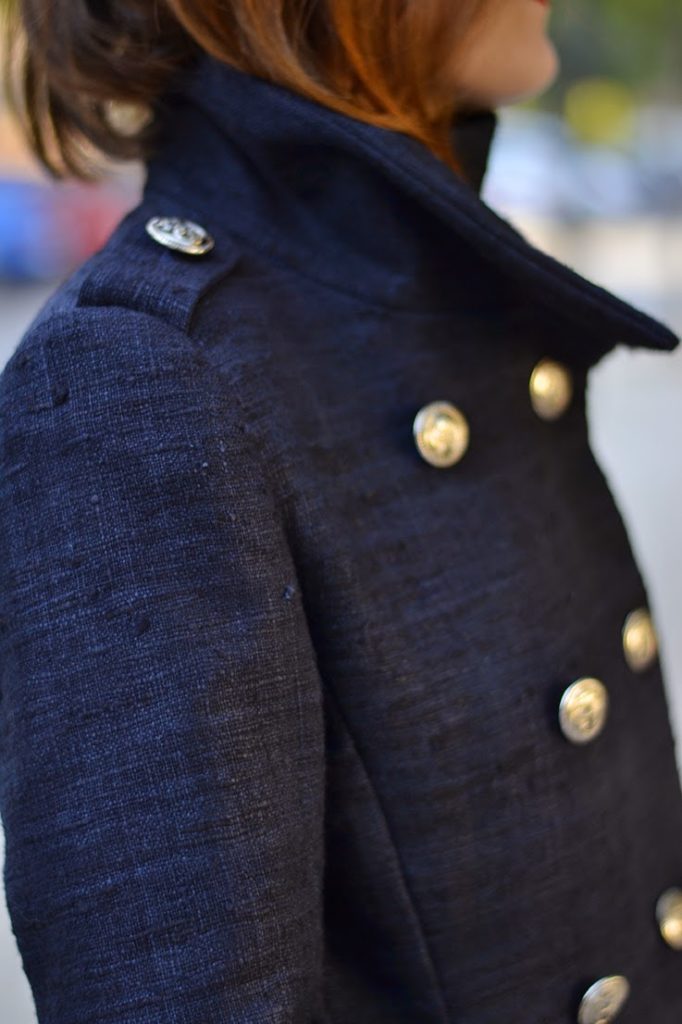
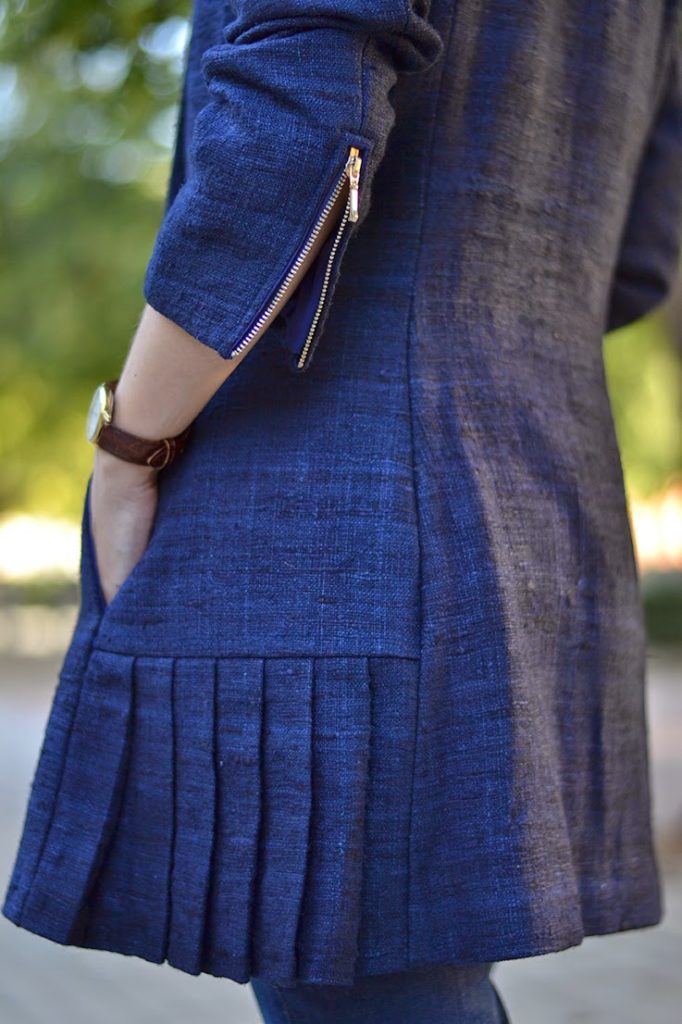 The Quart pattern, with its advanced level, has these small details that will make the intermediate seamstress progress and will please the expert ones (think handstitched interfacing, bound buttonholes, zipped cuffs, epaulettes…).
The glossary on the last page comes back on the terms and techniques essentials to make this pattern. And because it’s starting to be an habit now, I’m already preparing a photo tutorial to follow in depth the Quart coat construction.
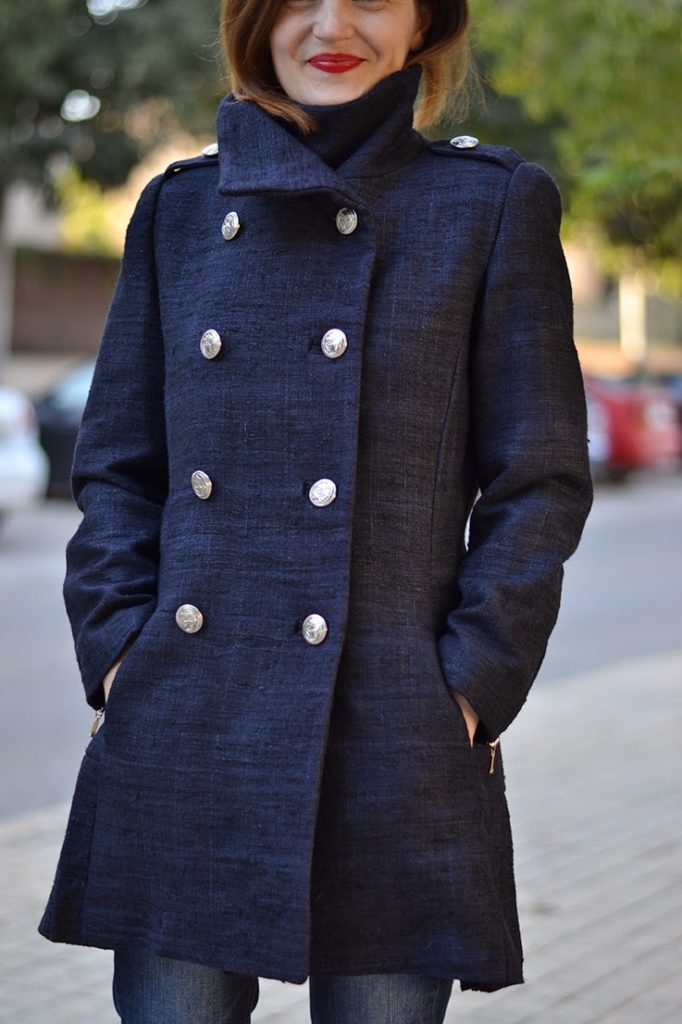
Head to the shop and get the Quart coat pattern!
I can’t wait to see what you’ll come up with, your thoughts on the pattern and to show you the testers versions.
Have a great week!
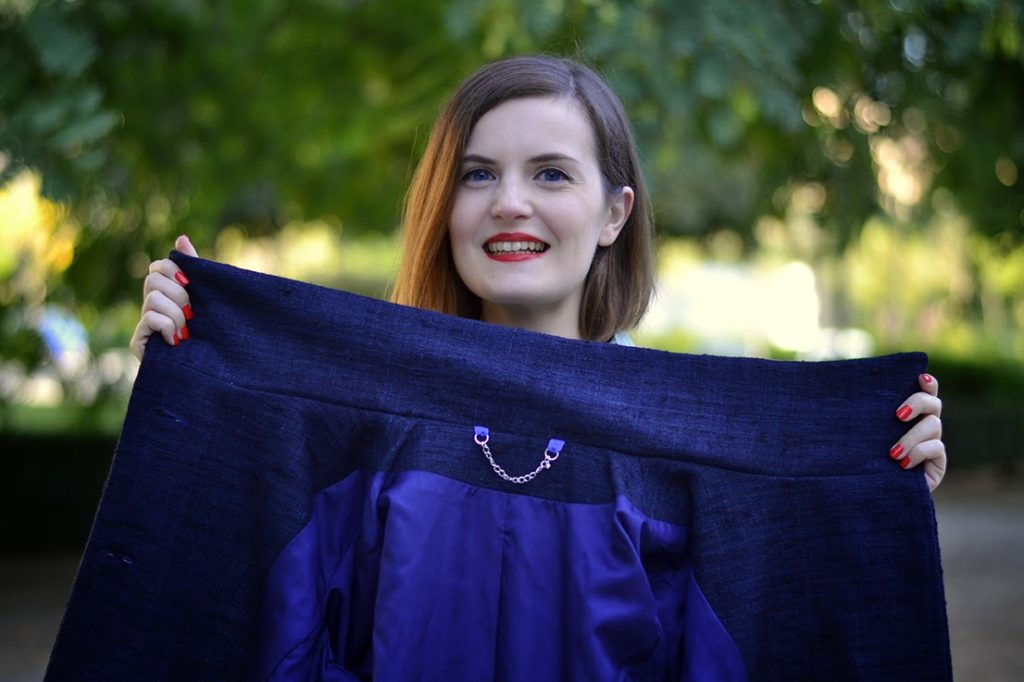 ps: I’d like to remind you that you can take advantage of your order of the printed pattern to receive the new folders for free! If you have pauline alice printed patterns still in their (thin) envelopes, add their names in the comment box when confirming your order and they’ll be sent without any additional cost.

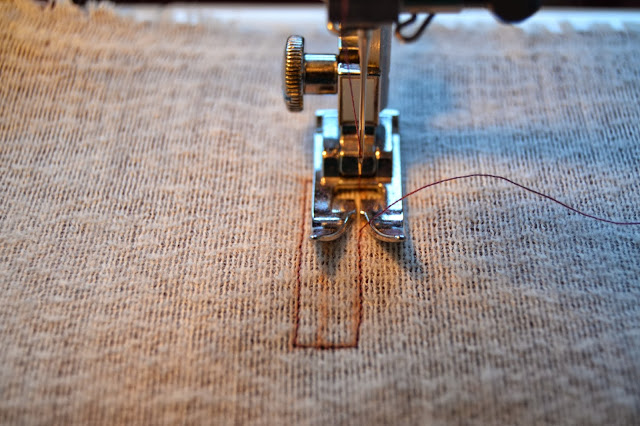
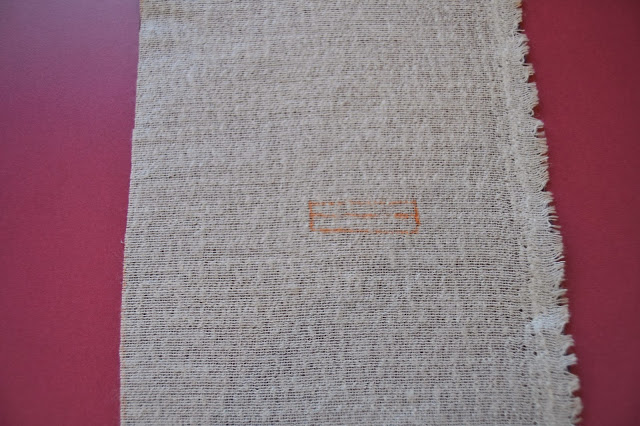
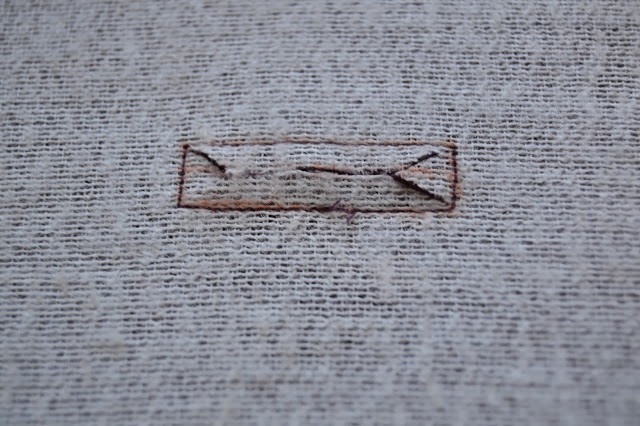
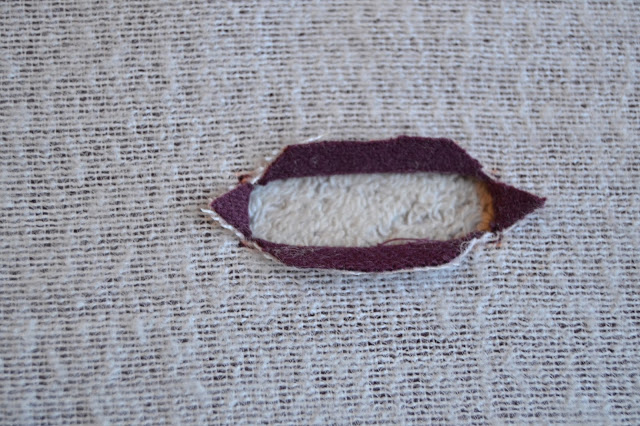
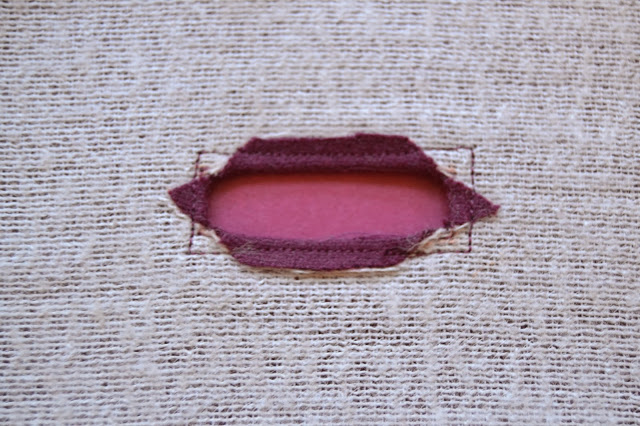
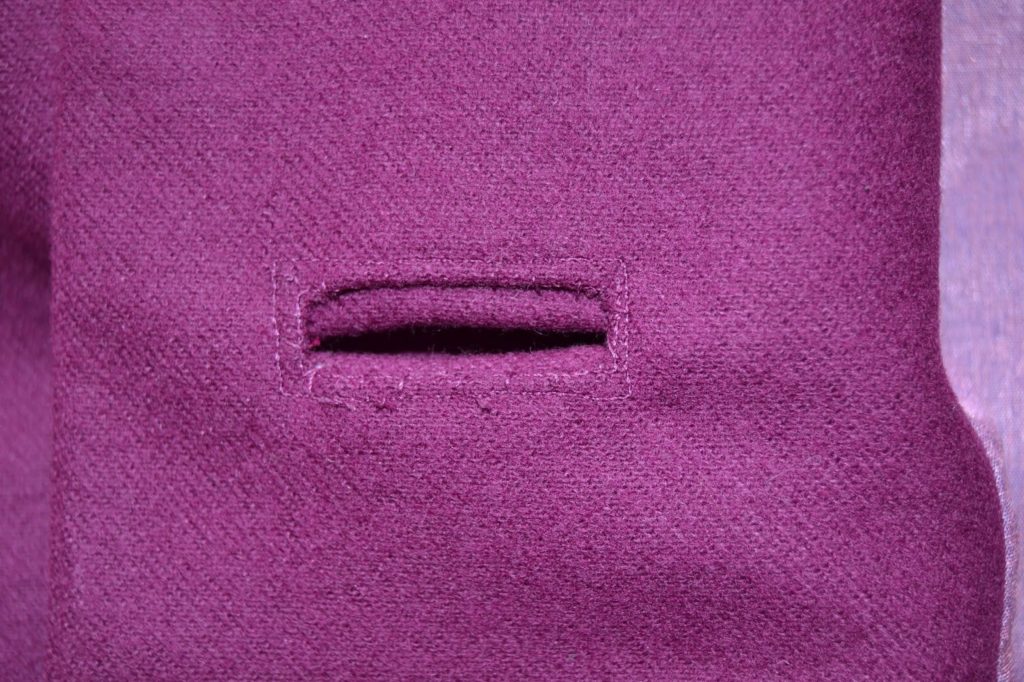
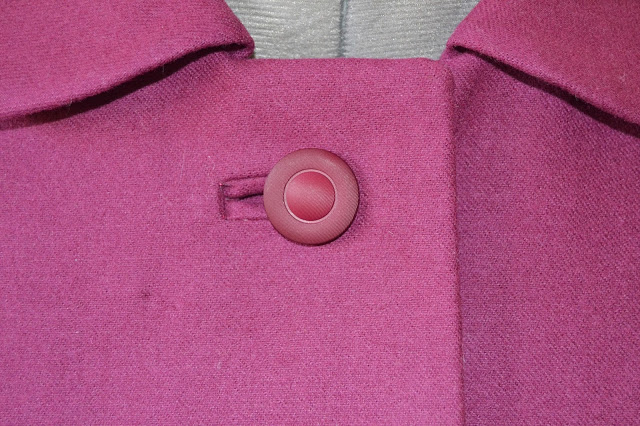
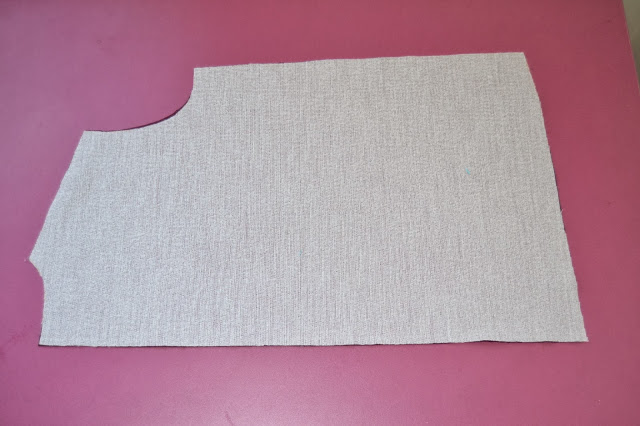
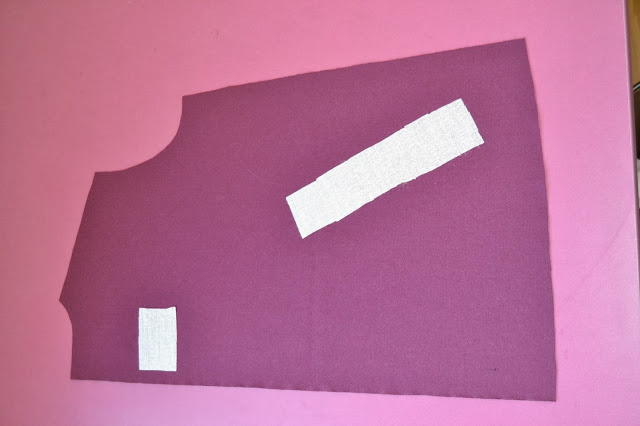 1.Depending of the version you are making, you will want to interface the wrong side of the whole front piece of the pattern (Version A, lined) or only cut small rectangles of interfacing and apply them over the buttonhole markings on the wrong side of the front piece (version B, unlined).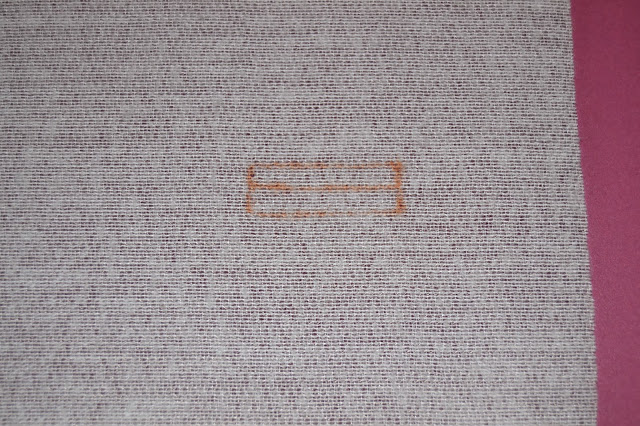
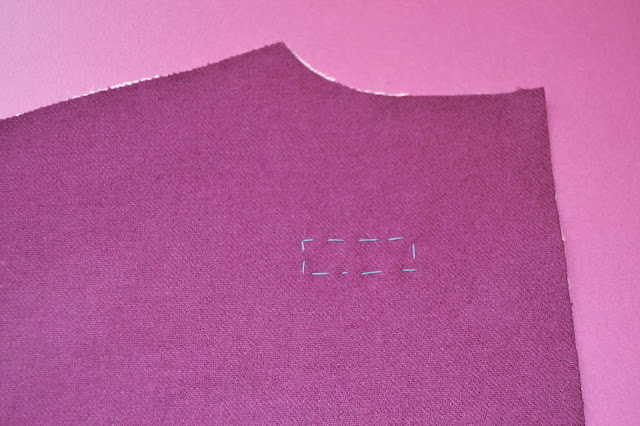 2.On the pattern, you will notice that you just have a line, not a box, to mark the buttonhole place. This is because the box dimension is going to depend of your button. Here is how to measure the box you will need to draw: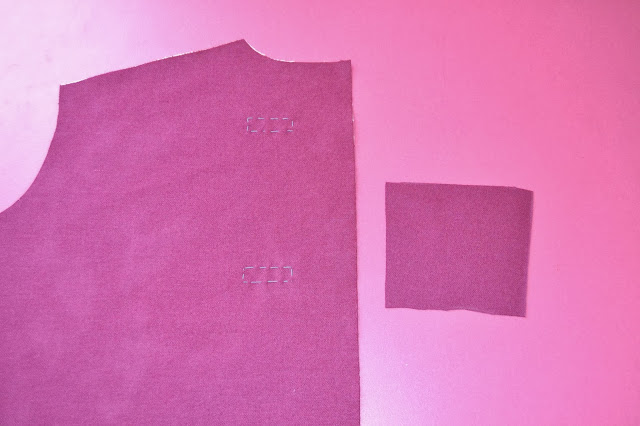
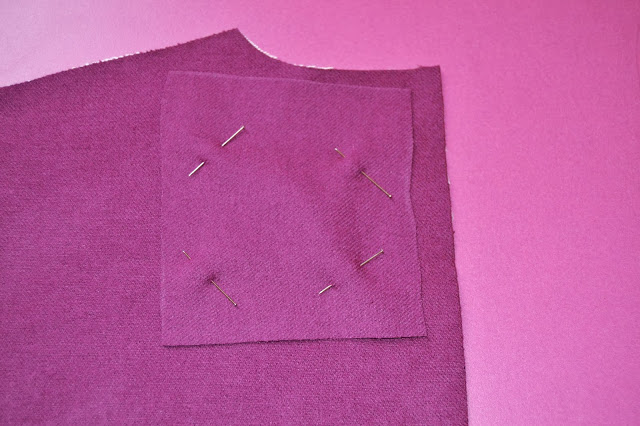 3.Cut a patch of fabric about 10 cm x 10 cm (3.9″ x 3.9″) on the fabric bias. We will trim the edges at the end so don’t worry too much about the size.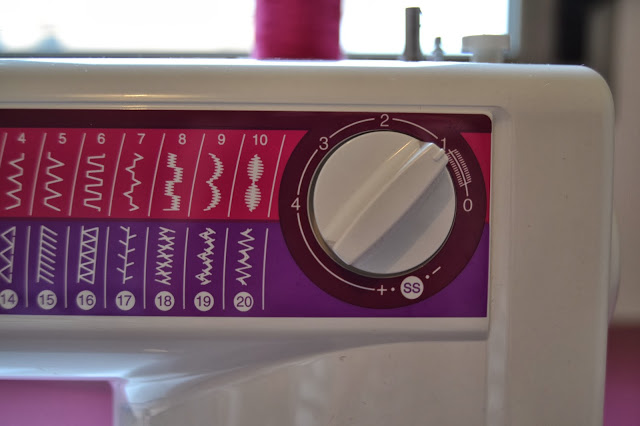
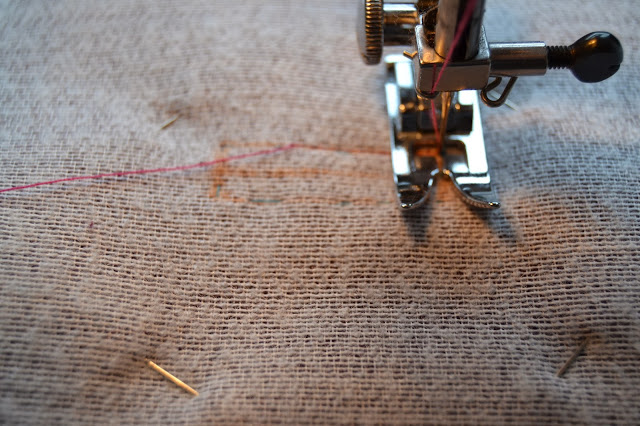
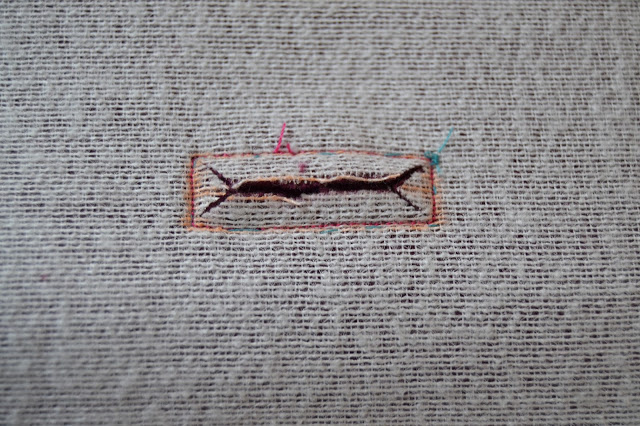 5.Now you have to be very careful with this step! Cut through both layers (the front and the patch) from the center and cut in V into the angles of the box. You have to cut the closest possible to the stitches without cutting them (if you have small embroidery scissors, it’s a perfect time to use them).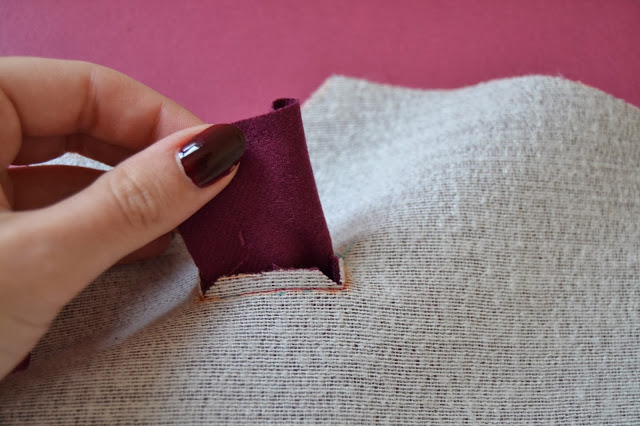
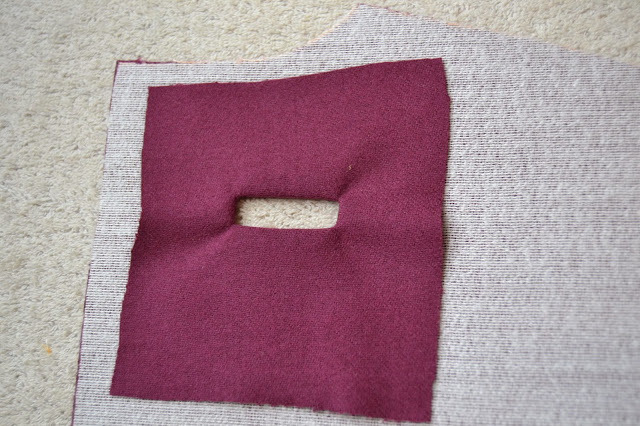 6.Pass the patch through the open box. Lay it flat and press lightly. If the corners don’t lay flat, it’s because you haven’t cut close enough to the stitches during the previous step (fold it back carefully and cut a little bit closer).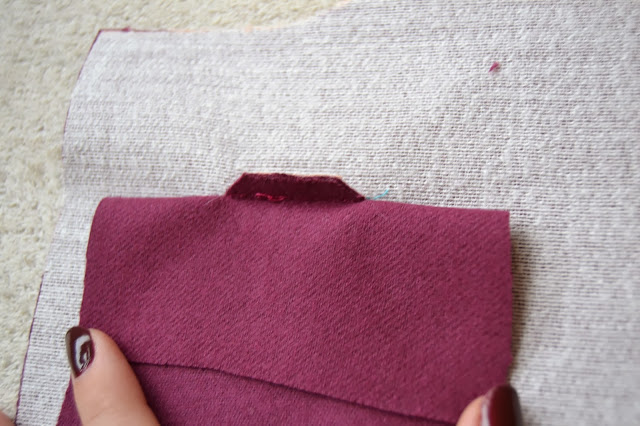
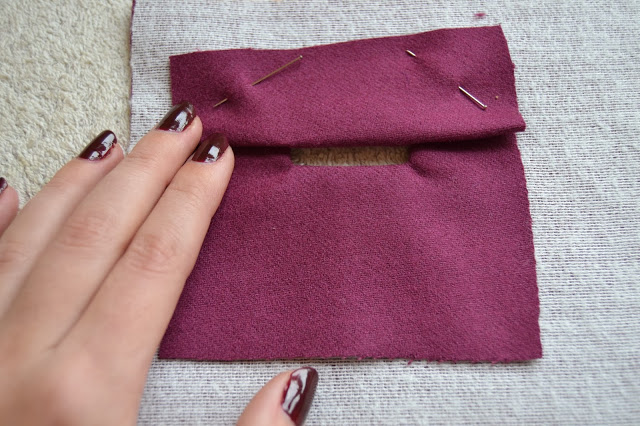
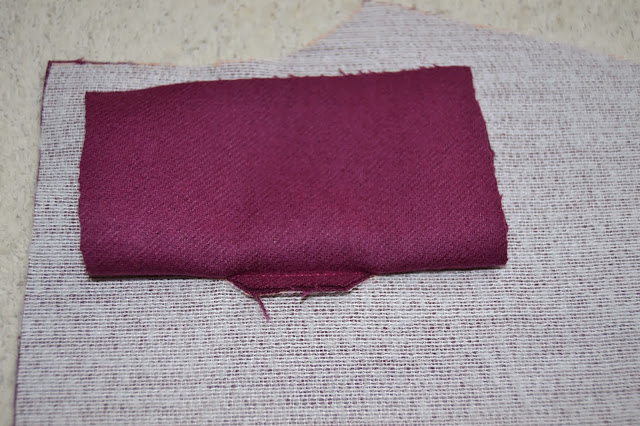
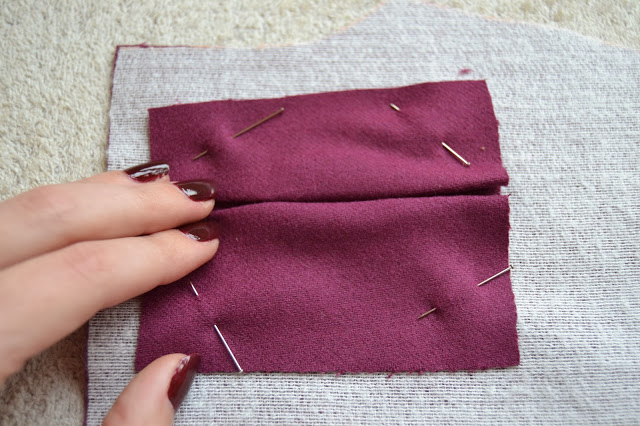 8.Fold the bottom of the patch in two to form the second “lip”. Both lips meet in the middle. Pin in place. You can press lightly so it keeps its shape, but be careful that the edges don’t show.
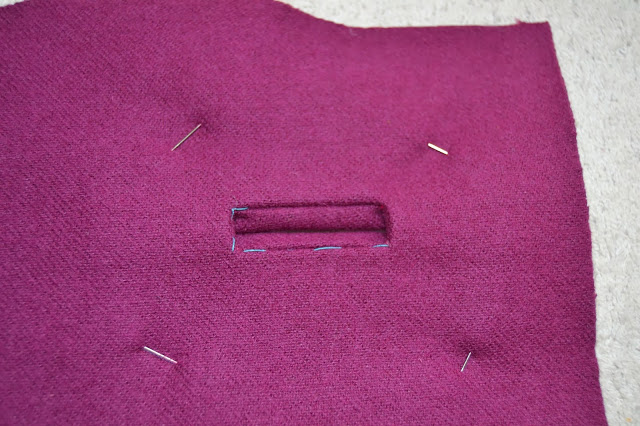 9.Here is how it looks from the right side!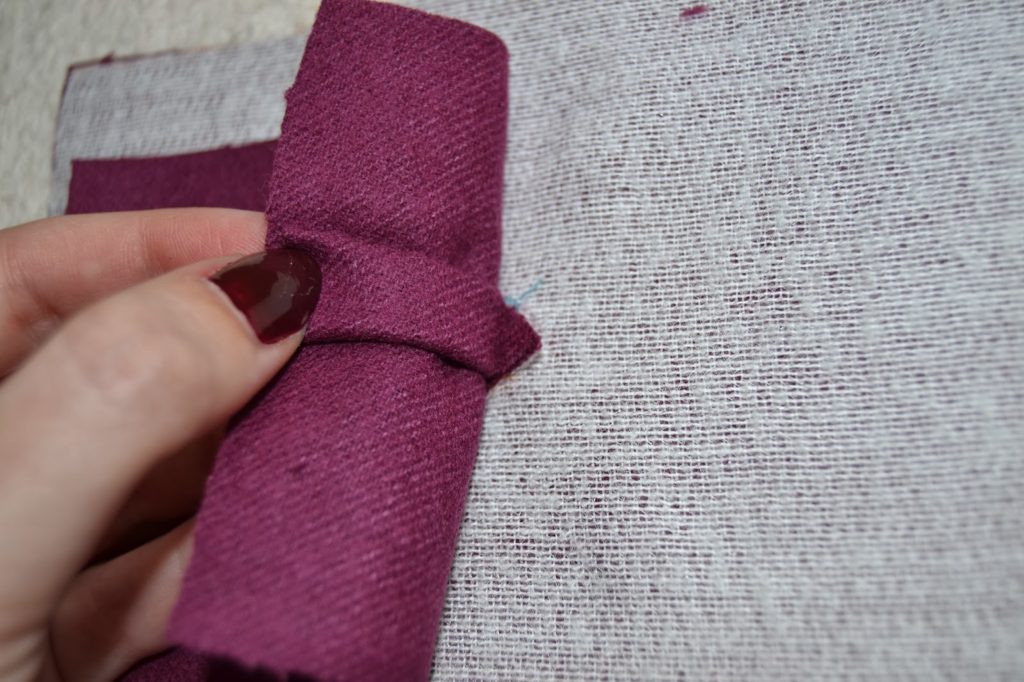
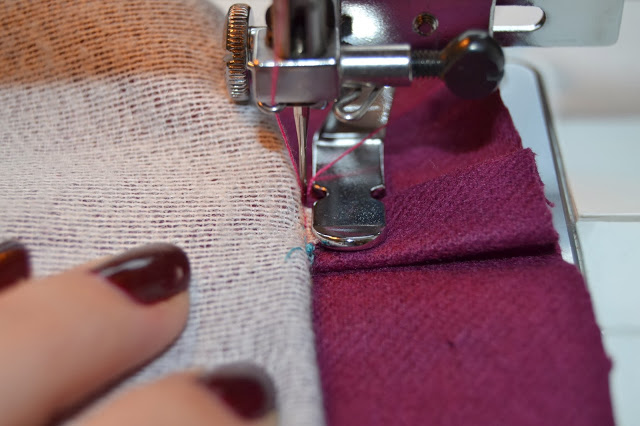
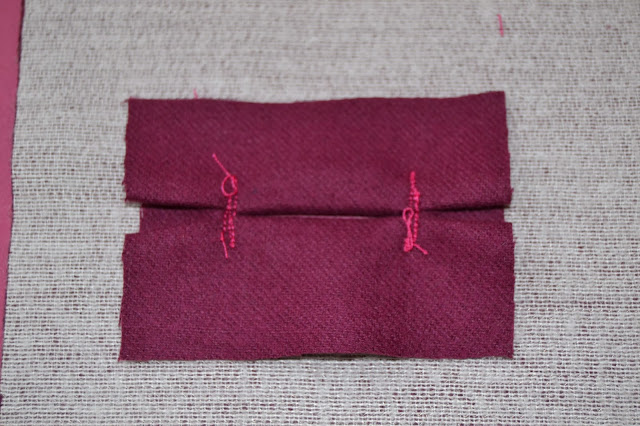 10.You might notice that there are small triangles at the ends of the box. Like on the second picture, stitch the small triangle to the patch, securing the folds. Use a short stitch length and stitch the closest possible to the fold of the triangle.
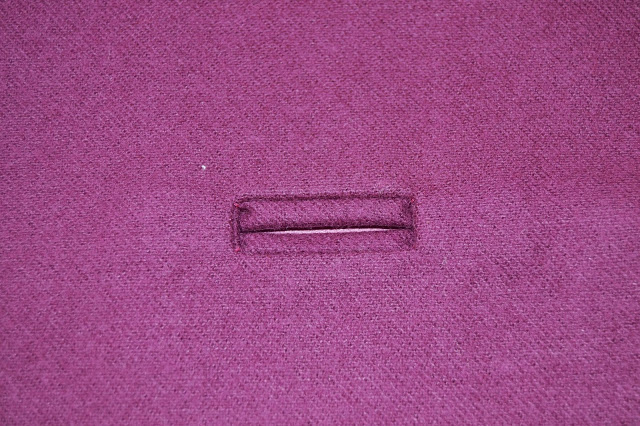 11.Remove the basting threads and make the other buttonholes!